
Global Warming Economic Impact Destroys National Economies:

Global Warming’s Economic Impact
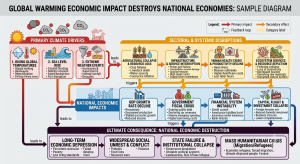
The consequences of rapid industrial expansion and the significant release of carbon emissions have led to an unprecedented accumulation of heat in the Earth’s atmosphere. This surge in temperature, amounting to a notable 1.1°C rise since the late 19th century, has triggered alarming outcomes such as prolonged droughts and more potent heatwaves. However, the most concerning aspect of global warming lies in its economic aftermath. As severe storms damage crucial infrastructure and climate-related disasters disrupt trade routes, both local businesses and global supply chains face substantial financial strain. This critical scenario emphasizes that the issue of atmospheric warming is no longer just a scientific warning but a direct threat to national economic growth and international trade.
Effects of Climate Change on Agriculture
Among all sectors, agriculture stands out as the most susceptible to the impacts of climate change. Increasing temperatures and erratic weather conditions directly impact crop yields, endangering global food security. Examples include:
Decreased Crop Production: Staple crops like wheat and rice suffer immense losses during extended periods of high temperatures.
Persistent Droughts: Extended dry periods lead to a drastic reduction in water availability for farming and irrigation needs.
Destructive Floods: Sudden floods devastate crops and crucial agricultural infrastructure.
Ultimately, dwindling food production drives up food prices, resulting in inflation that burdens household budgets and raises the cost of basic necessities for the general population.
Health Challenges and Economic Consequences
The rise in temperatures accelerates the spread of infectious diseases, posing significant public health risks globally. These health threats translate into economic burdens, including:
Rising Healthcare Costs: Increased spending on medical care strains both families and government budgets.
Reduced Workforce Productivity: Extreme heat diminishes worker efficiency and causes higher absenteeism rates.
When health issues impede the workforce, businesses experience reduced output, leading to a decline in national economic performance.
The Influence on Job Opportunities and Work Efficiency
Numerous key sectors heavily depend on favorable weather conditions, with construction workers, farmers, and outdoor laborers being especially susceptible to extreme temperatures. Climate change not only harms natural resources but also induces significant global job cuts. Delving deeper, thorough investigations indicate that extreme heatwaves deplete human vigor and diminish work productivity, resulting in decreased production levels and earnings for daily wage earners. Nations with sizable agricultural industries face heightened job vulnerabilities due to these severe threats.
Attraction Deterioration: Harm to natural sights and ecosystems discourages tourists.
Travel Interruptions: Unforeseeable and severe weather occurrences disrupt peak tourist periods.
Pakistan: An Illustrative Case Study
How Shifting Climate Patterns Damage National Balance Sheets:
| Sector | Economic Impact |
|---|---|
| Agriculture | Lower crop production and higher food prices |
| Infrastructure | Expensive repair and reconstruction costs |
| Health | Increased medical spending |
| Employment | Reduced labor productivity |
| Tourism | Loss of revenue and jobs |
| Energy | Higher electricity demand and costs |
Navigating through a series of compounding disruptions can significantly stifle a country’s GDP growth, contribute to the rise in global poverty rates, and plunge fiscal budgets into substantial deficits. Analysts utilize sophisticated models to effectively manage these evolving corporate risks by examining the ways in which environmental shifts can detrimentally affect a nation’s financial standings. Delving into these precise financial indicators unveils the profound economic repercussions of long-term global warming, ultimately shifting it from a mere environmental concern to a critical factor causing a complete breakdown in national revenue streams and banking security.
Shall we delve deeper into this topic?
global macroeconomic indicators
Embracing Renewable Energy: Transitioning to clean energy sources like solar and wind power.
Improving Disaster Preparedness: Establishing sophisticated early-warning systems for extreme weather events.
Developing Climate-Resilient Infrastructure: Investing in robust infrastructure that can withstand flooding and other climate impacts.
Encouraging Sustainable Agriculture: Advocating for modern farming techniques that can adapt to erratic weather patterns.These pragmatic measures are pivotal in safeguarding our environment and ensuring sustainable economic progress for generations to come.
Concluding Thoughts
In essence, the issue of climate change has transcended mere environmental discourse to become a pivotal structural obstacle in contemporary financial realms. The repercussions of changing weather patterns extend across various sectors such as supply chains, public health, infrastructure resiliency, and workforce efficiency, exerting significant financial strains on both governmental budgets and everyday individuals. Nevertheless, countries that adopt a proactive approach by investing in sustainable infrastructure and eco-friendly innovations today are poised to shield their national resources and enhance the well-being of their citizens. Embracing these sustainable metamorphoses stands as the definitive method to alleviate the profound economic repercussions of global warming and ensure enduring competitiveness in the market.
References

Siraj Ullah, an economics writer at Tech and Tips Economy, specializes in elucidating intricate economic concepts through concise data and tailored infographics for enhanced reader comprehension. Drawing on expertise in global macroeconomics and fiscal policy, his mission is to demystify international finance, making it more visual and approachable to a wider audience.
BEST ARTICALES
FEVRT TOPICS
great work